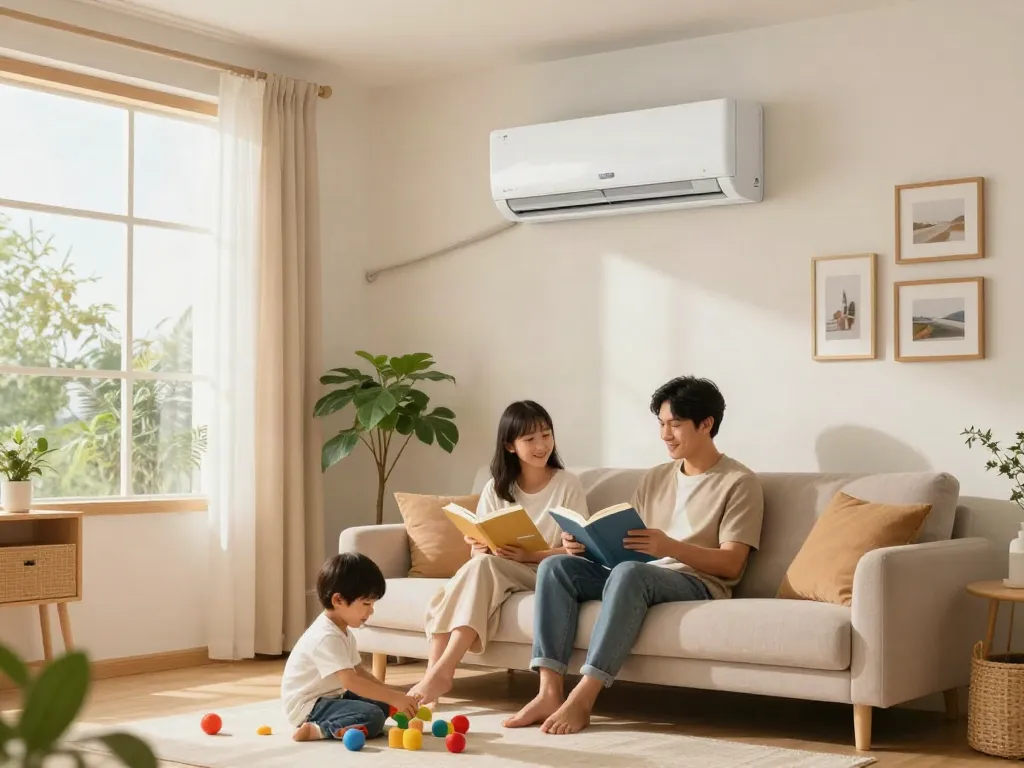
Understanding Ductless Air Conditioners: A Comprehensive Overview
Ductless air conditioners are becoming increasingly popular among homeowners and businesses looking for efficient cooling and heating solutions. These systems, also known as mini-split systems, provide a versatile and energy-efficient alternative to traditional central air conditioning units. By eliminating the need for extensive ductwork, ductless air conditioners offer a streamlined installation process and increased flexibility in temperature control. When exploring options, ductless air conditioner provide comprehensive insights into modern air conditioning solutions.
What is a Ductless Air Conditioner?
A ductless air conditioner is a type of HVAC system that consists of two main components: an outdoor condenser unit and one or multiple indoor air-handling units. Unlike traditional systems that rely on ductwork to distribute cooled or heated air throughout a space, ductless systems deliver air directly into each room needing climate control. This direct approach not only leads to enhanced efficiency but also allows for individualized temperature settings, catering to the preferences of different occupants.
Key Components of Ductless Systems
Understanding the components of ductless air conditioners is crucial for appreciating how they function:
- Outdoor Unit: This component houses the compressor and condenser. It is typically installed outside the building and is responsible for expelling heat extracted from the indoor air.
- Indoor Unit: Mounted on walls or ceilings, these units are responsible for cooling or heating the air in a specific area. They contain an evaporator coil and a blower fan.
- Refrigerant Lines: These lines connect the outdoor and indoor units, allowing for the transfer of refrigerant, which absorbs heat from indoors and releases it outside.
- Thermostatic Control: Each indoor unit can be controlled individually, providing personalized climate control for different rooms.
How Ductless Air Conditioners Differ from Traditional Units
The key differences between ductless systems and traditional air conditioning units lie in their design and operational efficiency. Traditional HVAC systems require extensive ductwork, which can lead to significant energy loss due to leaks and insufficient insulation. In contrast, ductless systems do not rely on ductwork, making them more efficient and easier to install in spaces that lack existing ducting. Additionally, the ability to control each indoor unit separately can lead to energy savings and increased comfort levels.
The Advantages of Ductless Air Conditioning Systems
Ductless air conditioning systems offer numerous advantages that make them a compelling choice for various applications:
Energy Efficiency and Cost Savings
One of the standout benefits of ductless air conditioners is their energy efficiency. Traditional air conditioning systems can waste a significant amount of energy through duct losses. Ductless systems, on the other hand, can achieve high Seasonal Energy Efficiency Ratios (SEER), leading to lower energy bills. Homeowners can save up to 30% on cooling costs compared to conventional systems, making them a cost-effective choice in the long run.
Flexible Installation Options
The installation process for ductless systems is generally simpler and less invasive than that of traditional units. Since there is no need for ductwork, installation can typically be completed in just a few hours. This flexibility allows ductless systems to be installed in new constructions, renovations, or even small spaces that are challenging to cool or heat with conventional systems. The indoor units can be strategically placed in various locations, optimizing comfort without compromising aesthetics.
Enhanced Indoor Air Quality Benefits
Another significant advantage of ductless air conditioners is their ability to improve indoor air quality. Traditional HVAC systems often circulate dust, allergens, and pollutants through ductwork, which can diminish air quality. Ductless systems typically come with advanced filtration systems that help capture allergens and particulates, creating a cleaner and healthier indoor environment. Moreover, because they do not require ducts, there is less risk of mold and moisture buildup.
Installation Process for Ductless Air Conditioners
The installation of ductless air conditioners is straightforward, but it requires careful planning to maximize their effectiveness.
Choosing the Right Location for Installation
Before installation, it’s essential to determine the best location for both the indoor and outdoor units. The indoor units should be placed in areas where airflow will be most beneficial, avoiding obstructions like furniture or heavy drapes. The outdoor unit should be placed in a location with sufficient airflow and away from direct sunlight to enhance efficiency.
Step-by-Step Installation Guide
- Site Assessment: Evaluate the space to identify optimal locations for the indoor and outdoor units.
- Mounting the Indoor Unit: Secure the mounting bracket to the wall and install the indoor unit according to the manufacturer’s instructions.
- Installing the Outdoor Unit: Place the outdoor unit on a stable foundation and ensure it is level.
- Connecting Refrigerant Lines: Run the refrigerant lines, ensuring they are properly insulated and protected from environmental damage.
- Electrical Connections: Complete the electrical connections and ensure the system is correctly wired.
- Testing the System: Once installed, test the system to ensure it operates correctly and efficiently.
Common Installation Mistakes to Avoid
Even with a straightforward installation process, some common mistakes can lead to inefficiencies:
- Improper placement of indoor or outdoor units can hinder airflow and efficiency.
- Failure to correctly insulate refrigerant lines may lead to energy loss.
- Neglecting local building codes and regulations can result in installation issues.
Maintenance Tips for Ductless Air Conditioners
Regular maintenance is crucial to keep your ductless air conditioner running smoothly and efficiently.
Essential Maintenance Practices for Longevity
To maximize the lifespan and efficiency of your ductless air conditioner, consider the following maintenance practices:
- Filter Cleaning: Check and clean the indoor unit filters at least once a month to ensure optimal airflow.
- Coil Cleaning: Ensure the outdoor coils are free of debris and dirt to promote efficient operation.
- Professional Tune-Ups: Schedule annual professional maintenance to inspect and service the system thoroughly.
When to Call a Professional
If you notice any unusual noises, temperature inconsistencies, or a decline in cooling efficiency, it may be time to call a professional. A qualified technician can identify and resolve issues before they escalate into costly repairs.
Signs Your Ductless System Needs Repair
Some common warning signs that your ductless air conditioner may require repair include:
- Inconsistent temperatures across different rooms.
- Unusual sounds, such as grinding or hissing, from the indoor or outdoor unit.
- Increased energy bills without a clear reason.
Future Trends in Ductless Air Conditioning for 2026 and Beyond
The ductless air conditioning market continues to evolve, with several trends emerging that may shape the future of climate control.
Emerging Technologies in Ductless Systems
Innovations, such as smart technology integration, are becoming increasingly prevalent in ductless air conditioning systems. Many units now offer Wi-Fi connectivity, allowing users to control settings remotely via mobile apps. Additionally, advancements in inverter technology lead to even greater energy savings and performance optimization.
Environmental Impact and Sustainability Initiatives
As climate change becomes more pressing, there is a growing demand for environmentally friendly cooling solutions. Ductless systems are often more energy-efficient than traditional units, resulting in lower carbon footprints. Additionally, many manufacturers are focusing on using eco-friendly refrigerants to reduce environmental impact.
Consumer Preferences Shaping the Market
Consumer preferences are shifting towards more customizable and efficient solutions for home climate control. Homeowners are increasingly prioritizing energy efficiency, ease of installation, and enhanced air quality - all of which are strengths of ductless air conditioning systems. Understanding these trends provides insights into future market demands.
Are ductless air conditioners any good?
Yes, ductless air conditioners are efficient and provide a range of benefits, including cost savings and improved air quality.
What are the downsides of a mini split AC system?
While ductless systems offer numerous advantages, they may have higher upfront costs and require proper placement for optimal performance.
How much does it cost to install a ductless AC unit?
The installation costs for ductless air conditioning systems can vary but generally range from $3,000 to $5,000, depending on the number of units and specific requirements of the installation.
Is it cheaper to run a mini split or central AC?
Ductless systems are typically more energy-efficient than central AC units, leading to lower operational costs in many instances.
Best practices for maintaining a ductless air conditioner?
Regular filter cleaning, annual professional maintenance, and paying attention to performance indicators can ensure the longevity and efficiency of your ductless air conditioner.